
Dry Carpet Cleaning vs Steam Cleaning: What’s the Difference?
Not all carpet cleaning is created equal. Here’s how organic dry compound and CRB compares to traditional hot water extraction.
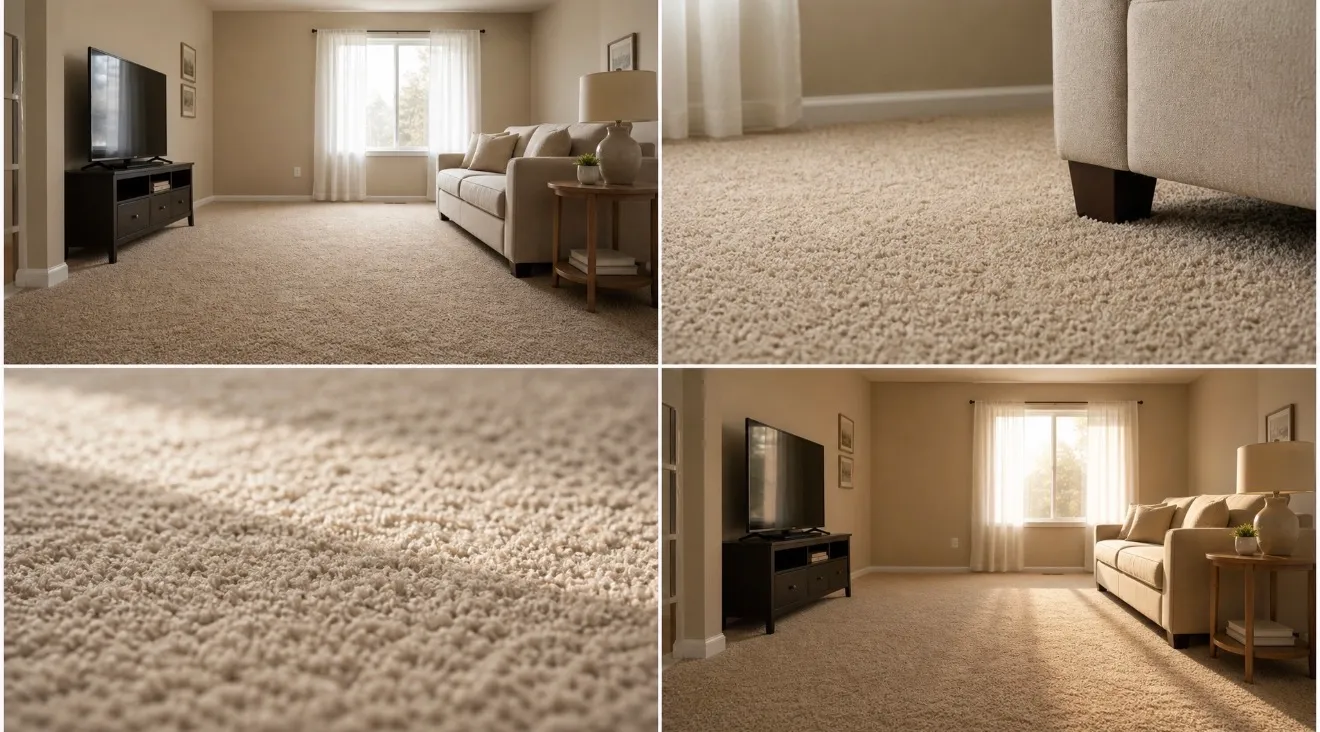
A Different Approach to Clean
For decades, steam cleaning, or hot water extraction, has been the default way to clean carpet. It uses high pressure and suction to remove dirt, but it also puts gallons of water into your home.
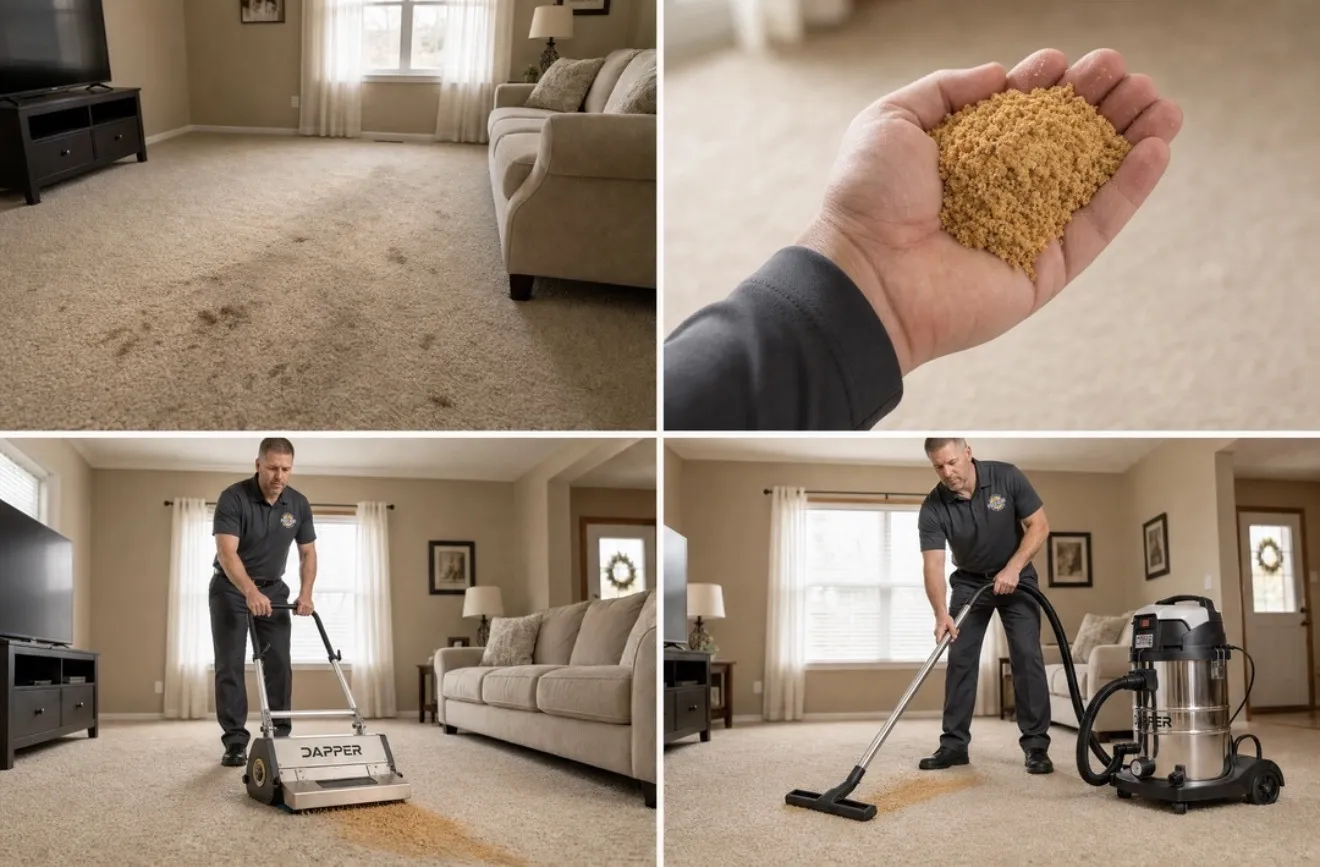
At Floorganix, we use an organic dry compound paired with Counter-Rotating Brushes (CRB). The compound acts like thousands of tiny sponges, absorbing dirt, oils and allergens. The CRB machine works it deep into the fibers, lifting matted pile and capturing grime without soaking the backing or pad.
Dry Compound vs Hot Water Extraction: Side by Side
Understanding the practical differences helps you choose the right service for your home or business.
| Feature | Floorganix Dry Method | Hot Water Extraction |
|---|---|---|
| Moisture LevelsDry compound uses just enough moisture to release dirt, without soaking the carpet backing or subfloor. | Controlled, low moisture | Substantially more water |
| Typical Dry TimeLess water in the carpet means less waiting before you can use the room again. | About 60 minutes | Often several hours |
| Cleaning ActionCounter-rotating brushes lift matted fibers and work the compound deep to absorb soil like a sponge. | Absorption + CRB agitation | High pressure + suction |
| ResidueDetergent left behind in the carpet attracts new dirt. Our compound is vacuumed out along with the soil it captured. | No sticky residue | Possible if not fully rinsed |
| Risk of Wicking & ResoilingWicking happens when deep stains travel up damp fibers as they dry. Using less moisture reduces that risk. | Lower risk | Greater potential |
| Household DisruptionNo hoses running through your front door, and no keeping kids or pets off the carpet all day. | Very low | Moderate to high |
| Water ConservationThe dry compound approach uses a fraction of the water of conventional hot water extraction. | Uses significantly less water | Uses substantially more water |
When Hot Water Extraction Is the Better Choice
We recommend our dry compound method for the vast majority of homes and businesses, but traditional hot water extraction has its place. Here’s an honest breakdown.
Choose Hot Water Extraction For
- Severe flooding or water damage
- Restorative cleaning of heavily neglected carpet, like a long-vacant rental
- Deeply embedded bodily fluids where the pad needs to be flushed
Choose the Floorganix Dry Method For
- Regular maintenance and routine deep cleaning
- Homes with kids and pets who need the room back fast
- Offices, retail and commercial spaces that can’t afford downtime
- Anyone who wants to avoid excess moisture and soapy residue
Comparing Carpet Cleaning Companies
If you’re comparing Floorganix with companies like Chem-Dry, Stanley Steemer or Peaches ’n Clean, look past the brand name. These five questions will tell you more than any ad.
Floorganix is independently owned and is not affiliated with Chem-Dry, Stanley Steemer or Peaches ’n Clean.
- What cleaning method do you use?Ask whether it’s hot water extraction, dry compound, or something else.
- How much water goes into my carpet?More water means longer drying and a higher risk of wicking and mildew.
- How long will it take to dry?Get a real number, not “it depends.”
- What products do you use?Ask if they’re safe for kids and pets, and whether they leave residue.
- When can I walk on it?This is when your household actually gets back to normal.
Frequently Asked Questions
Is dry carpet cleaning as effective as steam cleaning?
For routine and deep maintenance cleaning, yes. The dry compound absorbs soil, oils and allergens, and counter-rotating brushes work it through every fiber before it’s vacuumed away. Steam cleaning has the edge in extreme cases like flood damage or contamination that has soaked into the pad.
How long does carpet take to dry with each method?
With our dry method, about 60 minutes. Hot water extraction often takes several hours, and sometimes overnight in humid weather or with thick carpet.
Does dry cleaning leave residue?
No. The compound is vacuumed out along with the dirt it absorbed, and our plant-based prespray leaves no sticky film. Residue is more of a risk with steam cleaning when detergent isn’t fully rinsed out, which can make carpet resoil faster.
Which method is better for pet stains?
For everyday pet accidents, our dry method plus our Good Boy, Bad Dog Stain and Odor Enzyme Treatment works well and doesn’t push moisture deeper into the carpet. For heavy urine contamination that has soaked into the pad, hot water extraction with pad flushing may be the better call, and we’ll tell you if that’s the case.
Is steam cleaning bad for carpet?
Not inherently. Done well, it’s an effective method. The risks come from over-wetting: long drying times, wicking stains, musty odors, and in the worst cases mildew or damage to the backing. Low-moisture cleaning avoids most of those risks for everyday cleaning.
Book Your Appointment
Call, email, or send us the details below for a quote or to schedule carpet, rug, tile and grout, hard floor, or upholstery cleaning. Photos help us quote faster.
- Alabama334-734-7112
- Georgia678-404-9927
- Emailbook.floorganix@gmail.com